Can You Get Disability Benefits After Back Fusion Surgery?
Published March 5, 2026 · Updated June 8, 2026 · By Crossroads Disability
Need help with your disability claim?
Free case evaluation — no fee unless we win. Fill out the form, or call 866-284-7627.
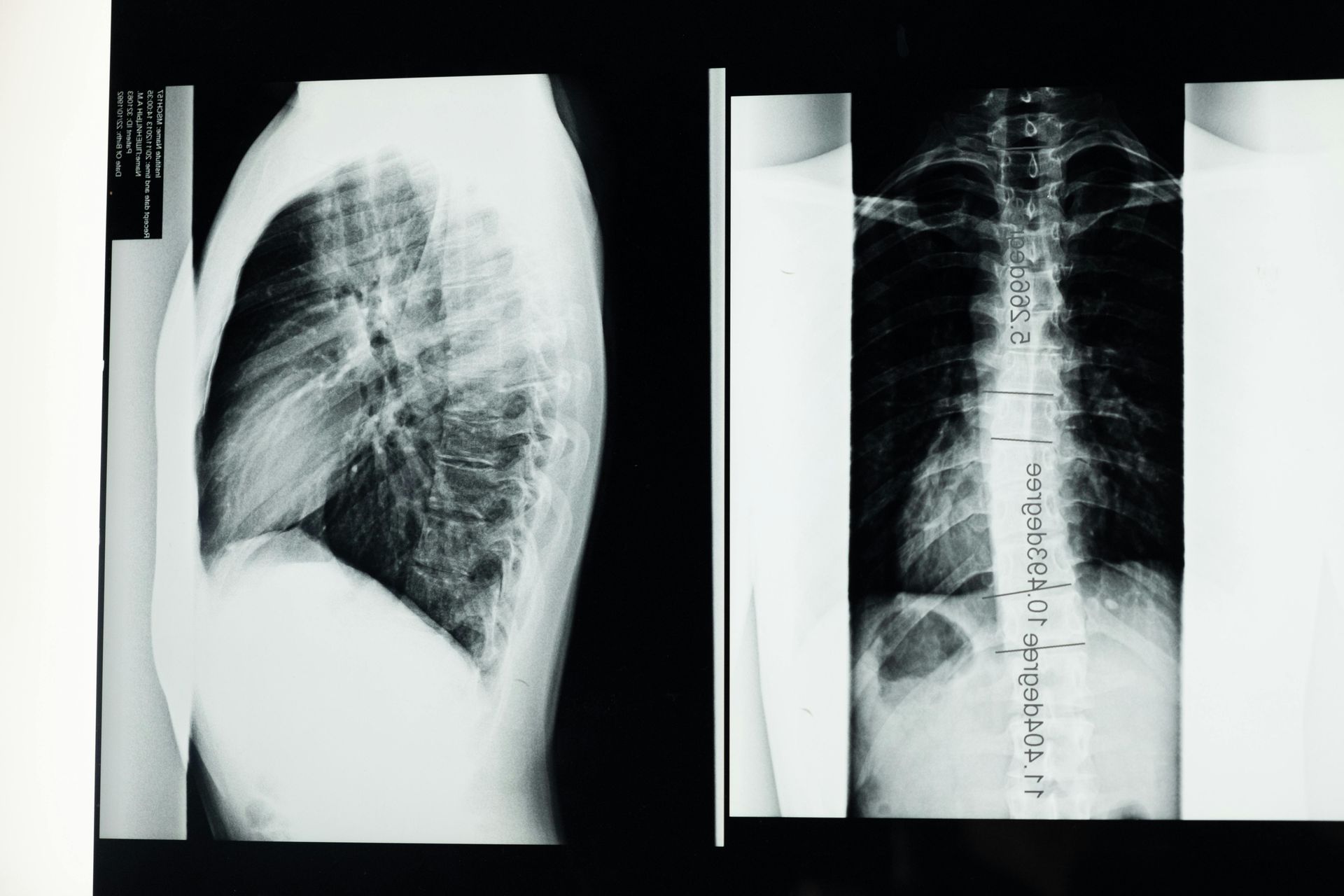
Back problems are one of the most common reasons people apply for Social Security Disability benefits. In some cases, individuals undergo spinal fusion surgery in an attempt to relieve chronic pain, nerve compression, or instability in the spine. But even after surgery, many people continue to experience serious limitations that prevent them from returning to work.
This raises an important question:
Can you qualify for Social Security Disability benefits after a back fusion?
The answer is yes. However, it depends on how the surgery and your ongoing symptoms affect your ability to perform work activities.
What Is a Spinal Fusion?
A spinal fusion is a surgical procedure designed to stabilize the spine by permanently joining two or more vertebrae together. Surgeons often perform this procedure to treat conditions such as:
- Degenerative disc disease
- Spinal stenosis
- Herniated discs
- Spondylolisthesis
- Severe spinal instability
- Fractures or trauma to the spine
During the surgery, bone grafts, screws, rods, or plates are used to fuse the vertebrae together. The goal is to eliminate movement in the affected segment of the spine and reduce nerve compression and pain.
While some patients improve after surgery, others continue to experience significant limitations.
When Back Fusion Patients May Qualify for Disability
Social Security does not award benefits simply because someone had surgery. Instead, the agency focuses on functional limitations caused by your condition.
You may qualify for disability benefits if, even after surgery, you continue to experience:
- Chronic back pain
- Nerve damage or radiculopathy
- Difficulty sitting, standing, or walking for long periods
- Weakness in the legs
- Loss of balance
- Reduced range of motion
- Numbness or tingling in the extremities
These limitations can make it difficult or impossible to perform basic work activities such as lifting, bending, standing, or concentrating due to pain.
Social Security Listings for Spine Disorders
In some cases, back fusion patients may qualify under Social Security’s Listing of Impairments for disorders of the spine.
These listings evaluate issues such as:
- Nerve root compression
- Spinal arachnoiditis
- Lumbar spinal stenosis resulting in difficulty walking
- Severe neurological deficits
Meeting a listing is not required to win a disability claim, but when medical evidence clearly satisfies the criteria, it can result in faster approval.
Many Cases Are Approved Based on Functional Limitations
Most disability claims involving back fusion are decided based onresidual functional capacity (RFC).
This means Social Security evaluates:
- How long you can sit
- How long you can stand or walk
- How much weight you can lift
- Whether you can bend, twist, or stoop
- How pain affects concentration and productivity
If your limitations prevent you from performing your past work or other work that exists in the national economy, you may qualify for benefits.
Medical Evidence Is Critical
The strength of a back fusion disability case often depends on the medical evidence.
Important records may include:
- Surgical reports
- MRI or CT scan results
- Physical therapy records
- Pain management treatment notes
- Neurological examinations
- Medical source statements from treating doctors
These records help demonstrate the severity of your condition and how it affects your ability to work.
What If Surgery Didn’t Fix the Problem?
Many people believe that having surgery means Social Security will assume they should be able to return to work. In reality, that is not always the case.
Some individuals experience:
- Failed back surgery syndrome
- Continued nerve compression
- Hardware complications
- Persistent pain after fusion
When surgery does not resolve the underlying problem, the long-term limitations can still support a disability claim.
Getting Help With Your Disability Claim
Back fusion cases can be medically complex. Judges and decision-makers often rely heavily on detailed medical records and opinions from treating physicians.
At Crossroads Disability, we help individuals present their cases clearly and thoroughly by focusing on:
- Documenting ongoing symptoms after surgery
- Highlighting objective medical evidence
- Obtaining supportive medical opinions
- Demonstrating how limitations affect the ability to work
If you have undergone a spinal fusion and are still unable to work, you may still qualify for Social Security Disability benefits.
Understanding how Social Security evaluates these cases can make a significant difference in the outcome of your claim.
Invisible Disabilities: Proving Illnesses Like Lupus or Fibromyalgia
By Anthony Tanoos•May 8, 2026
Learn how Social Security evaluates invisible disabilities like lupus and fibromyalgia and what evidence can help support a disability claim.

Why Your Chances of Winning Disability Benefits Often Improve With an Attorney at the Hearing Level
By Anthony Tanoos•May 1, 2026
Learn why having an attorney at your Social Security disability hearing can strengthen your case and improve your chances before an Administrative Law Judge.

7 Tips on Surviving the Long Wait for SSD Benefits
By Anthony Tanoos•April 23, 2026
Waiting for Social Security Disability benefits can take months or years. Learn 7 practical tips to survive the process and strengthen your claim.
5 Common Mistakes That Delay SSDI Claims
By Anthony Tanoos•April 15, 2026
Learn the top 5 mistakes that delay SSDI claims and how to avoid them. Get your disability claim approved faster with the right strategy.

The Timeline for Receiving a Disability Hearing (2026 Guide)
By Anthony Tanoos•April 10, 2026
Learn the full timeline for receiving a Social Security disability hearing in 2026, including wait times, scheduling, and decision timelines.

Reconsideration vs. Hearing: Understanding the SSA Appeals Process
By Anthony Tanoos•April 1, 2026
Learn the 4 steps of the SSA appeals process, including reconsideration vs hearing. Understand your options after a disability denial and how to win.

What Heart Problems Qualify for Disability? (2026 Guide)
By Anthony Tanoos•March 27, 2026
Learn which heart conditions qualify for Social Security Disability in 2026, including heart failure, arrhythmias, and coronary artery disease.
What Are Compassionate Allowances in Social Security Disability Cases?
By Anthony Tanoos•March 27, 2026
Find out what compassionate allowances are in Social Security Disability cases and how you could have your disability claim expedited. Call Crossroads Disability!

What Is a Trial Work Period in Social Security Disability?
By Anthony Tanoos•March 20, 2026
Learn how a Trial Work Period lets SSDI recipients test working while keeping benefits, including rules, income limits, and what happens after it ends.
Step 2 of the Social Security Disability Process: What Is a “Severe” Impairment?
By Anthony Tanoos•February 26, 2026
Learn how Step 2 of the Social Security Disability process works, what a “severe” impairment means, and why medical evidence is critical to moving your claim forward.
Show More
Crossroads Disability
When the system says no, we keep fighting
Contact
812-956-0888
Address
3988 S. St. Rd. 63
Terre Haute, IN 47802
© 2026
Crossroads Disability, LLC.
All rights reserved.
**Privacy Policy ** ** Terms And Conditions**
Crossroads Disability Chatbot
!
Free Case Evaluation
Crossroads Disability
👋 Hi there! Welcome to Crossroads Disability.
I'm here to help you see if you might qualify for Social Security Disability benefits.
➡️ Would you like to check if you qualify?
✅ Yes, check if I qualifyℹ️ Just looking for info
Great! Just a few quick questions. This only takes a minute.
How old are you?
Under 5050–5960+
Are you currently working and earning more than $1,550 per month?
YesNo
What medical condition(s) make it hard or impossible for you to work?
Continue
Thank you for sharing that. Based on what you've told me, you may qualify for Social Security Disability benefits.
The next step is making sure your application is done right so you don't risk delays or denials.
The good news is: you don't pay us anything unless we win your case. 💙
Continue to Next Step
📞 Communication Consent
Before we connect you with our team, we need your consent to contact you about your potential case.
I consent to be contacted by Crossroads Disability and/or their partners via phone calls, text messages, and emails about my potential Social Security Disability case. I understand that:
• Calls/texts may be made using automated technology
• Message and data rates may apply
• I can opt out anytime by replying STOP to texts or calling to request removal
• This consent is not required to use our services
• Uncheck this box if you do not wish to be contacted
Continue with Contact InfoSkip - Just Browsing
Perfect! Now I can grab your contact info so our team can help you take the next step.
👉 What's the best way to reach you?
📱 By submitting, you confirm your previous consent to be contacted about your case.
Submit My Info
✅ Got it — thank you! Our team will reach out shortly to walk you through the next step.
Remember: no upfront fees — you only pay if we win.
While you wait, would you like me to give you a quick overview of the disability process?
Yes, explain the processNo thanks, I'm all set
Perfect! 📞 We will contact you soon to discuss your case and get you started.
Remember: no upfront costs — you only pay if we win your benefits.
Thank you for choosing Crossroads Disability!
Start New Conversation
Here's what usually happens when someone applies for disability:
1️⃣ Initial Application — you submit paperwork and medical evidence.
2️⃣ Waiting Period — SSA reviews your case (often months).
3️⃣ Hearing Stage — if denied, you can appeal and request a hearing.
4️⃣ Approval — if approved, you get monthly benefits + back pay.
Every case is unique, which is why speaking with our team is the fastest way forward. We'll call soon to get you started. 📞
Start Over
No problem — feel free to ask me anything about disability benefits.
And if you'd ever like to check if you qualify, I can walk you through it in less than a minute.
Check If I Qualify Now
Related guides
What Conditions Qualify for Social Security Disability in 2026? (Full List)
Social Security has no simple list of approved conditions. Here is every Blue Book category, the conditions inside it, the fast-track programs, and how to win when your condition is not listed at all.
Invisible Disabilities: Proving Lupus and Fibromyalgia Claims
Learn how Social Security evaluates invisible disabilities like lupus and fibromyalgia and what evidence can help support a disability claim.
What Heart Problems Qualify for Disability? (2026 Guide)
Which heart conditions qualify for SSDI in 2026, what SSA's Blue Book requires, and the medical evidence that wins these claims.