Compassionate Allowances in Social Security Disability Cases
Published March 27, 2026 · Updated June 8, 2026 · By Crossroads Disability

Need help with your disability claim?
Free case evaluation — no fee unless we win. Fill out the form, or call 866-284-7627.
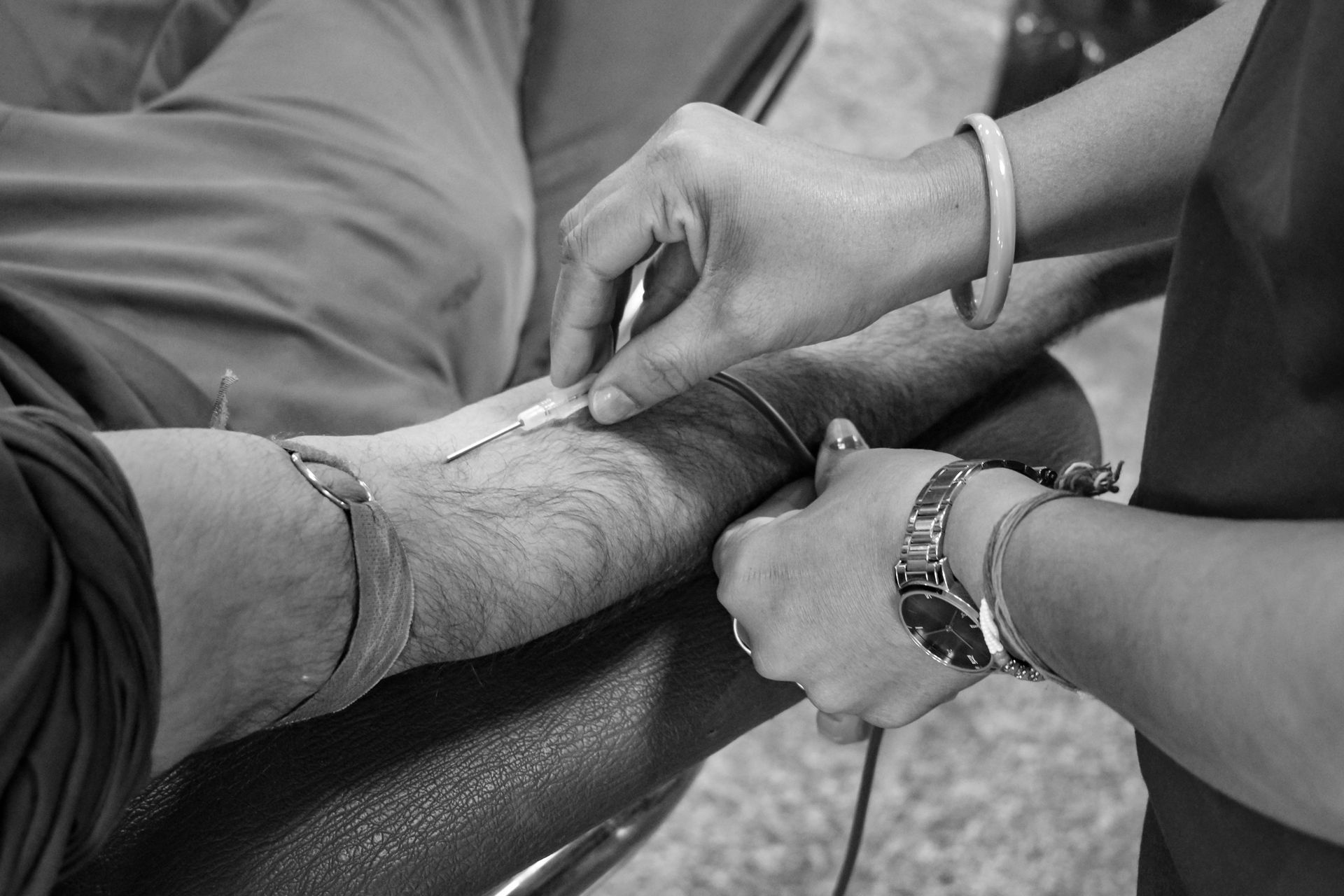
Applying for Social Security Disability benefits can often be a long process. Many applicants wait months — and sometimes years — before receiving a decision on their claim. However, for individuals with certain extremely serious medical conditions, Social Security offers a faster path to approval called Compassionate Allowances.
If you or a loved one has been diagnosed with a severe illness, understanding how Compassionate Allowances work may help you receive benefits much more quickly.
What Is a Compassionate Allowance?
A Compassionate Allowance (CAL) is a program created by the Social Security Administration (SSA) to quickly identify medical conditions that clearly meet the standards for disability benefits.
Instead of waiting for a lengthy evaluation process, claims involving Compassionate Allowance conditions are fast-tracked through the system.
These cases are often approved in a matter of weeks rather than months or years.
Why Compassionate Allowances Exist
Some medical conditions are so severe that they almost always prevent someone from working. Because of this, Social Security recognizes that it makes little sense to require these applicants to go through the same lengthy review process as other disability claims.
The Compassionate Allowance program was designed to:
- Identify the most serious conditions quickly
- Reduce unnecessary delays
- Allow individuals with life-threatening illnesses to receive benefits sooner
For many families dealing with serious medical issues, faster access to disability benefits can be critically important.
Examples of Compassionate Allowance Conditions
There are currently hundreds of conditions that qualify under the Compassionate Allowance program. Many involve aggressive cancers, rare genetic disorders, or severe neurological diseases.
Examples include:
- Acute leukemia
- Pancreatic cancer
- Amyotrophic lateral sclerosis (ALS)
- Certain brain cancers
- Early-onset Alzheimer’s disease
- Lou Gehrig’s disease
- Some rare childhood diseases
These conditions are recognized because medical evidence typically shows that individuals diagnosed with them are unable to maintain employment.
How Compassionate Allowance Cases Are Identified
Compassionate Allowance cases are not usually requested by the applicant directly. Instead, Social Security’s system identifies qualifying conditions based on the medical evidence and diagnosis listed in the application and medical records.
When a condition matches one of the Compassionate Allowance criteria, the claim is flagged for expedited review.
However, the claim still requires medical documentation confirming the diagnosis.
How Fast Are Compassionate Allowance Claims Approved?
Although every case is different, many Compassionate Allowance claims are approved within a few weeks after Social Security receives the necessary medical records.
This is significantly faster than the typical disability claim,which can take several months to receive an initial decision.
Even with expedited processing, Social Security must still verify the medical diagnosis and confirm that the condition meets the Compassionate Allowance criteria.
Medical Evidence Still Matters
Even though Compassionate Allowance claims are processed faster,medical documentation is still essential.
Social Security will still look for:
- Diagnostic test results
- Pathology reports
- Physician records
- Hospital documentation
Without clear medical evidence confirming the diagnosis, even Compassionate Allowance cases may be delayed.
How We Help With Compassionate Allowance Claims
At Crossroads Disability, we help individuals with serious medical conditions navigate the disability application process and ensure that claims are properly documented from the start.
Our goal is to make sure:
- The correct medical condition is identified
- The necessary medical evidence is submitted
- The claim is processed as efficiently as possible
When someone is facing a serious illness, getting benefits approved quickly can provide important financial stability.
The Bottom Line
The Compassionate Allowance program allows Social Security to fast-track disability claims for individuals with severe medical conditions that clearly meet disability standards.
While these claims are processed much faster than typical disability applications, proper medical documentation is still required to confirm the diagnosis.
If you or a loved one has been diagnosed with a serious illness and may qualify for disability benefits, understanding the Compassionate Allowance process can help ensure your claim moves forward as quickly as possible.

Invisible Disabilities: Proving Illnesses Like Lupus or Fibromyalgia
By Anthony Tanoos•May 8, 2026
Learn how Social Security evaluates invisible disabilities like lupus and fibromyalgia and what evidence can help support a disability claim.

Why Your Chances of Winning Disability Benefits Often Improve With an Attorney at the Hearing Level
By Anthony Tanoos•May 1, 2026
Learn why having an attorney at your Social Security disability hearing can strengthen your case and improve your chances before an Administrative Law Judge.

7 Tips on Surviving the Long Wait for SSD Benefits
By Anthony Tanoos•April 23, 2026
Waiting for Social Security Disability benefits can take months or years. Learn 7 practical tips to survive the process and strengthen your claim.
5 Common Mistakes That Delay SSDI Claims
By Anthony Tanoos•April 15, 2026
Learn the top 5 mistakes that delay SSDI claims and how to avoid them. Get your disability claim approved faster with the right strategy.

The Timeline for Receiving a Disability Hearing (2026 Guide)
By Anthony Tanoos•April 10, 2026
Learn the full timeline for receiving a Social Security disability hearing in 2026, including wait times, scheduling, and decision timelines.

Reconsideration vs. Hearing: Understanding the SSA Appeals Process
By Anthony Tanoos•April 1, 2026
Learn the 4 steps of the SSA appeals process, including reconsideration vs hearing. Understand your options after a disability denial and how to win.

What Heart Problems Qualify for Disability? (2026 Guide)
By Anthony Tanoos•March 27, 2026
Learn which heart conditions qualify for Social Security Disability in 2026, including heart failure, arrhythmias, and coronary artery disease.

What Is a Trial Work Period in Social Security Disability?
By Anthony Tanoos•March 20, 2026
Learn how a Trial Work Period lets SSDI recipients test working while keeping benefits, including rules, income limits, and what happens after it ends.

Can You Get Social Security Disability Benefits After a Back Fusion?
By Anthony Tanoos•March 5, 2026
Can you qualify for disability after back fusion surgery? Learn how spinal fusion and ongoing limitations may support a Social Security disability claim.
Step 2 of the Social Security Disability Process: What Is a “Severe” Impairment?
By Anthony Tanoos•February 26, 2026
Learn how Step 2 of the Social Security Disability process works, what a “severe” impairment means, and why medical evidence is critical to moving your claim forward.
Show More
Crossroads Disability
When the system says no, we keep fighting
Contact
812-956-0888
Address
3988 S. St. Rd. 63
Terre Haute, IN 47802
© 2026
Crossroads Disability, LLC.
All rights reserved.
**Privacy Policy ** ** Terms And Conditions**
Crossroads Disability Chatbot
!
Free Case Evaluation
Crossroads Disability
👋 Hi there! Welcome to Crossroads Disability.
I'm here to help you see if you might qualify for Social Security Disability benefits.
➡️ Would you like to check if you qualify?
✅ Yes, check if I qualifyℹ️ Just looking for info
Great! Just a few quick questions. This only takes a minute.
How old are you?
Under 5050–5960+
Are you currently working and earning more than $1,550 per month?
YesNo
What medical condition(s) make it hard or impossible for you to work?
Continue
Thank you for sharing that. Based on what you've told me, you may qualify for Social Security Disability benefits.
The next step is making sure your application is done right so you don't risk delays or denials.
The good news is: you don't pay us anything unless we win your case. 💙
Continue to Next Step
📞 Communication Consent
Before we connect you with our team, we need your consent to contact you about your potential case.
I consent to be contacted by Crossroads Disability and/or their partners via phone calls, text messages, and emails about my potential Social Security Disability case. I understand that:
• Calls/texts may be made using automated technology
• Message and data rates may apply
• I can opt out anytime by replying STOP to texts or calling to request removal
• This consent is not required to use our services
• Uncheck this box if you do not wish to be contacted
Continue with Contact InfoSkip - Just Browsing
Perfect! Now I can grab your contact info so our team can help you take the next step.
👉 What's the best way to reach you?
📱 By submitting, you confirm your previous consent to be contacted about your case.
Submit My Info
✅ Got it — thank you! Our team will reach out shortly to walk you through the next step.
Remember: no upfront fees — you only pay if we win.
While you wait, would you like me to give you a quick overview of the disability process?
Yes, explain the processNo thanks, I'm all set
Perfect! 📞 We will contact you soon to discuss your case and get you started.
Remember: no upfront costs — you only pay if we win your benefits.
Thank you for choosing Crossroads Disability!
Start New Conversation
Here's what usually happens when someone applies for disability:
1️⃣ Initial Application — you submit paperwork and medical evidence.
2️⃣ Waiting Period — SSA reviews your case (often months).
3️⃣ Hearing Stage — if denied, you can appeal and request a hearing.
4️⃣ Approval — if approved, you get monthly benefits + back pay.
Every case is unique, which is why speaking with our team is the fastest way forward. We'll call soon to get you started. 📞
Start Over
No problem — feel free to ask me anything about disability benefits.
And if you'd ever like to check if you qualify, I can walk you through it in less than a minute.
Check If I Qualify Now
Related guides
What Conditions Qualify for Social Security Disability in 2026? (Full List)
Social Security has no simple list of approved conditions. Here is every Blue Book category, the conditions inside it, the fast-track programs, and how to win when your condition is not listed at all.
Invisible Disabilities: Proving Lupus and Fibromyalgia Claims
Learn how Social Security evaluates invisible disabilities like lupus and fibromyalgia and what evidence can help support a disability claim.
What Heart Problems Qualify for Disability? (2026 Guide)
Which heart conditions qualify for SSDI in 2026, what SSA's Blue Book requires, and the medical evidence that wins these claims.